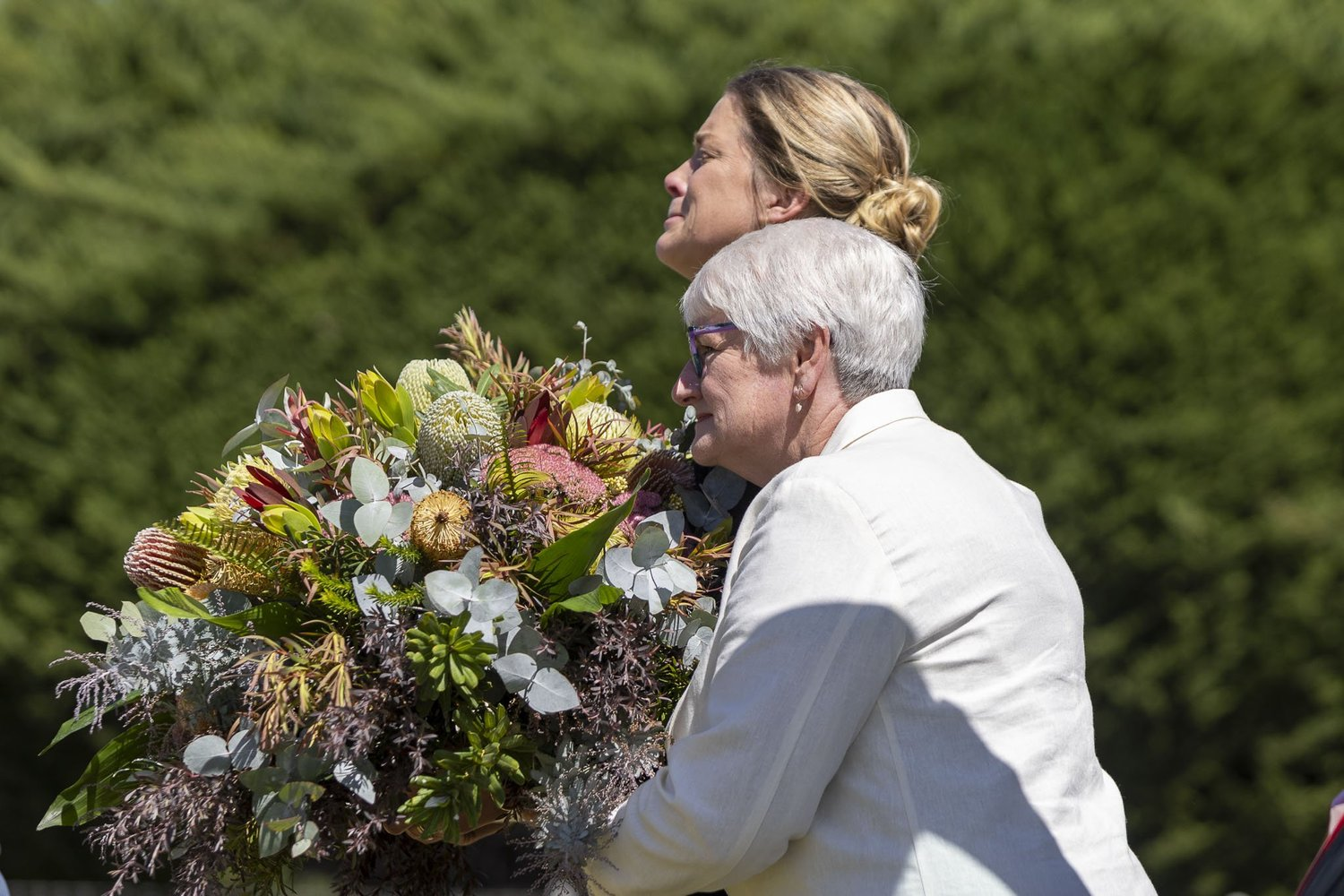

A camera can feel out of place at a funeral, especially when people are gathering to grieve and remember someone they love. If you're wondering, "is it appropriate to hire a funeral photographer", the answer depends on whose wishes are being honoured and how thoughtfully the day is documented.
It's understandable to worry that photographs might distract from the service or make mourners uncomfortable. You may also be unsure what your loved one would have wanted, or how family, cultural, spiritual and privacy expectations should shape the decision. These concerns deserve care, and there's no single choice that feels right for every family.
This guide offers practical ways to decide whether funeral photography suits your family, how to centre the wishes of the person who has died and those closest to them, and how to set clear boundaries. It also explains what respectful, unobtrusive coverage can look like, from documenting meaningful moments to preserving memories for relatives who couldn't attend. With a thoughtful plan, photographs can offer a quiet way to remember the person and the people gathered to honour them.
Is it appropriate to hire a funeral photographer? Start with the family's wishes
There's no single answer that suits every family or service. The question is it appropriate to hire a funeral photographer is best considered in light of the person's wishes, the needs of their family and the nature of the gathering. Photography may feel meaningful in one setting and unwelcome in another.
Having photographs taken doesn't make a farewell less sincere or diminish its significance. Photography isn't necessary for a loving remembrance. It's one possible way to preserve moments from the day, guided by care for the people present and the purpose of the gathering.
Photographs of the deceased have a long and changing history. The history of post-mortem photography offers context for how remembrance practices have varied over time, but tradition alone can't determine what feels right for a family today. Personal beliefs and preferences matter more than any general expectation.
Why families may welcome photographs of a funeral
Grief can make a service difficult to take in fully. Later, photographs may help a family recall details they couldn't attend to at the time: a meaningful tribute, flowers chosen with care, or relatives standing together in support. For people unable to attend, images can offer a sense of connection to the farewell, without replacing their presence or changing the fact that they grieve in their own way.
For some families, a discreet visual record becomes part of how they remember and share stories about their loved one. It can sit among other personal keepsakes, rather than serve as a complete account of the day.
Why some families may prefer not to have photographs
Privacy, personal values or the intimacy of a gathering may matter more than keeping a visual record. Some mourners may feel self-conscious around a camera, particularly during a vulnerable moment. These feelings deserve consideration, not persuasion. Declining photography is a complete and valid choice, and it merits the same respect as choosing to have photographs taken.
If views differ within the family, a gentle conversation before the service can help bring them into the open. Each person can explain what feels comfortable or concerning, then the family can decide whether to proceed, set limits or leave photography out. The decision needn't satisfy outside expectations; it should reflect what feels considerate to those closest to the person being honoured.
Does funeral photography feel intrusive? Consider the concern with care
It can. A camera may feel intrusive if people don't know whether they're being photographed, where images might be taken or how they'll be used. For someone already carrying grief, even a quiet camera can draw attention away from the service. Mourners don't need to overcome or explain away that discomfort.
At the same time, some families value a gentle visual record of the people and moments that shaped the farewell. The difference lies in the purpose and manner of the photography. Respectful documentation isn't staged or attention-seeking; it aims to preserve genuine moments without making the camera, or the person behind it, the focus.
What may make photography feel uncomfortable?
Privacy is often central. Mourners may not want their expressions or moments of distress recorded, while others may feel uneasy simply seeing a camera in a private setting. Close relatives can also hold different views, even when everyone wants to honour the same person. One family member may find photographs comforting, while another prefers the gathering to remain unrecorded.
These reactions can reflect personal values, cultural or spiritual beliefs, or the occasion's intimacy. The history of photographing the deceased also carries different meanings across time and communities. JSTOR Daily explores how people once memorialised a loved one's death, offering historical context rather than a rule for what families should choose now. Present-day comfort and wishes remain the most important guide.
How a discreet approach can ease concerns
A considerate approach keeps attention on the service and the people gathered. The photographer can work quietly, avoid drawing mourners into posed moments, and adapt their presence to the occasion's tone. Beforehand, agree on the purpose and boundaries of the photography. For example, decide which parts of the service or which people should stay out of the frame, and whether images are for private viewing or sharing with relatives. Clear expectations reduce uncertainty, although they can't guarantee that every guest will feel comfortable.
For families who choose photography, After Life's funeral photography service focuses on preserving genuine moments with respect and discretion. If concerns remain, make room for them in the decision. You might set clear boundaries, limit photography to certain parts of the gathering, or decide not to have a camera present at all.
How to decide whether a funeral photographer is right for your family
A considered decision can follow a few simple steps: reflect on what the person who has died may have wanted, speak with close family, consider the nature of the service, then agree on any boundaries. There's no need to treat photography as an expected part of a farewell. The aim is to choose what feels respectful to the person being remembered and those gathering to honour them.
If you're asking whether it's* appropriate to hire a funeral photographer*, separate the decision from assumptions about what other families do. Known preferences, family comfort and the setting offer a more personal guide. The University of Washington College of Arts & Sciences has explored photography's role in the grieving process, including remembrance photography in the context of stillbirth. Such experiences are deeply personal, and they don't prescribe what will feel right for your family.
Whose wishes should guide the decision?
Start with anything the person expressed about photographs, privacy or how they wished to be remembered. If their views aren't known, consider their values and what might have felt consistent with them. The immediate family's comfort matters too, as does the privacy of other attendees. A calm conversation can make space for differing feelings. Where agreement is difficult, discuss practical boundaries such as photographing the setting and tributes but not close-up images of mourners.
It can help to discuss the idea with close relatives before settling plans. Be specific about what photography would involve and how the images might be viewed or shared. This gives everyone a chance to raise concerns before the day, rather than having to respond to a camera in the moment.
How the setting and service may shape the choice
An intimate gathering may call for different boundaries from a larger public service or a celebration of life. Consider whether a camera would feel welcome in the space, and whether there are moments the family would prefer to keep private. Cultural and spiritual expectations should guide the decision, but practices differ between communities and families, so don't assume a single custom applies to everyone.
Before making a final choice, agree on a simple plan: whether photography will take place, which parts of the service feel appropriate, and how images may be viewed or shared. If those conversations reveal continued unease, treat that as meaningful guidance. Choosing not to have photographs is as considered a decision as choosing to preserve a visual record.
What respectful funeral photography can look like on the day?
Respectful funeral photography is a quiet presence in the background, with attention kept on the service, the mourners and the moments of remembrance. The photographer's approach should follow boundaries agreed with the family and suit the character of the ceremony. A formal service, for example, may call for a different approach than a gathering where relatives share stories and spend time together.
Respectful funeral photography preserves moments without asking grief to perform. It doesn't require mourners to pose, repeat a gesture or show emotion for the camera. Instead, a photographer can observe discreetly, respond to the tone of the occasion and allow people to take part in the farewell without feeling they need to acknowledge the camera.
Photographs that honour genuine moments
Meaningful images may include details that help tell the day's story, such as a tribute, flowers, or a quiet exchange between relatives. Where it feels appropriate, they might also reflect the gathering as a whole. The intention is to notice what is naturally present, rather than direct people or stage emotion. Every service is different, so no particular moment or image can be assumed in advance.
Families considering whether it is appropriate to hire a funeral photographer may find it helpful to agree on the focus beforehand. For instance, they might prefer photographs of the setting and tributes, while keeping certain parts of the service or particular people outside the frame. Clear boundaries help the photographer work with sensitivity, while leaving room to respond to the day as it unfolds.
Privacy, sharing and family comfort
Decisions about who views the photographs, and whether they're shared, belong with the family. Some may want a digital gallery to revisit privately or share with relatives; others may value printed photographs as a keepsake. Decide who should have access and whether images are for private remembrance or for sharing. There's no need to circulate them more widely.
After Life's funeral photography service includes on-site photography, image editing and high-quality prints or a digital gallery. A separate funeral photography etiquette guide can offer further practical guidance on boundaries and conduct. For a discreet, family-centred visual record, explore funeral photography with After Life Funeral Photography.
When funeral photography feels right, choose a gentle way to remember
Funeral photography may feel appropriate when it reflects the wishes of the person being remembered and sits comfortably with those closest to them. It's a personal choice, not a measure of how deeply someone is loved or how sincerely they're farewelled. If the family decides to have photographs, a thoughtful approach can preserve genuine moments while leaving space for the service itself.
How photographs can support remembrance over time
Images can become a personal record of a farewell, something relatives may return to when they feel ready. One person might find comfort in revisiting a photograph of family gathered together, while another may prefer to keep the images private or set them aside. There's no required way to respond. Photographs can hold memories, but they don't resolve grief or replace the many ways people remember someone they love.
For some families, prints offer a tangible keepsake, while a digital gallery can make it easier to revisit or share images with relatives. The choice of format, and when or whether to view the photographs, can remain guided by each family's preferences.
A quiet, considered next step with After Life
After Life provides funeral photography for families across Australia, with on-site photography, image editing, and high-quality prints or digital galleries. The team works with families to document genuine moments respectfully, keeping the photographer a discreet, supportive presence rather than the focus of the occasion.
If you're weighing whether it is appropriate to hire a funeral photographer, let the wishes and comfort of those closest guide you. Where photography feels like a meaningful choice, you can learn about funeral photography with After Life.
Choose the remembrance that feels right for your family
Whether funeral photography feels appropriate depends on the wishes of the person being remembered, the comfort of those closest to them and the nature of the service. There's no expectation to have photographs. If your family chooses them, clear boundaries and a discreet approach can help keep the focus on the farewell rather than the camera.
For some, photographs become a personal record to revisit when they feel ready; others may prefer to remember in different ways. Asking is it appropriate to hire a funeral photographer is ultimately about finding an option that honours your loved one and respects the people gathered to say goodbye.
After Life supports families across Australia with on-site funeral photography, image editing and the option of high-quality prints or a digital gallery. The aim is to preserve genuine moments with care, giving families a meaningful way to keep and revisit memories.
If this feels like a fitting choice for your family, learn about funeral photography. Whatever you decide, a farewell can be deeply meaningful when it reflects the person you're remembering and the wishes of those who loved them.
Frequently Asked Questions
Is it appropriate to hire a photographer for a funeral?
Yes, it can be appropriate when it reflects the wishes of the person being remembered and feels comfortable to those closest to them. The question "is it appropriate to hire a funeral photographer" has no universal answer, as family values, cultural or spiritual expectations and the nature of the service all matter. Photography is one possible way to preserve memories, not a requirement for a meaningful farewell or a measure of how much someone is loved.
Should you photograph a funeral if some family members disagree?
Family disagreement deserves careful attention before deciding whether to take photographs. Make room for each person to explain what feels comfortable or troubling, and consider mourners' privacy as well as the wishes of the person who has died. If agreement remains difficult, the family might limit photography to particular parts of the gathering or decide not to have it. A quick decision is less important than an approach that treats people's feelings with care.
Can a funeral photographer take photos without disturbing the service?
A photographer can work quietly and unobtrusively, keeping attention on the service rather than the camera. This may involve avoiding posed moments, not drawing mourners into photographs and adapting to the tone of the ceremony. The family can discuss boundaries in advance, such as which parts of the service should remain unphotographed. Even with a discreet approach, comfort varies from person to person, so respectful coverage can't guarantee every attendee will feel at ease.
What should families consider before hiring a funeral photographer?
Consider any known wishes the person expressed, the comfort and privacy of close family, and whether the service's setting and tone suit photography. Cultural or spiritual expectations may guide the decision, but customs differ between families. It can help to agree on boundaries beforehand, including what may be photographed and how images might be viewed or shared. A clear plan helps everyone understand the purpose and limits of the photography before the service.
Is it disrespectful to take photos at a funeral?
Not necessarily. Funeral photography can be respectful when it follows the family's wishes and is carried out with discretion. It may feel disrespectful if it draws attention away from the farewell, ignores people's privacy or conflicts with cultural, spiritual or personal expectations. No single rule fits every family or ceremony. The purpose, manner and boundaries of the photography matter, and choosing not to have photos taken deserves equal respect.
What happens if a family does not want funeral photos shared?
The family's preferences should guide whether photographs are viewed or shared. They can make clear that images are intended for private remembrance and shouldn't be circulated more widely. It's useful to agree on this before the service so relatives understand the wishes around sharing. Families may choose to keep prints or a digital gallery for themselves, or wait until they feel ready to view the images. There's no need to share photographs to make them meaningful.
Are funeral photos helpful for relatives who could not attend?
They can help absent relatives feel connected to the farewell and preserve a personal record of the gathering. A photograph may offer context about the service, tributes or family members who came together, while still not replacing attendance or each person's own grieving process. Families can decide which images, if any, feel appropriate to share with those unable to attend. Some relatives may welcome them; others may prefer to remember differently.
