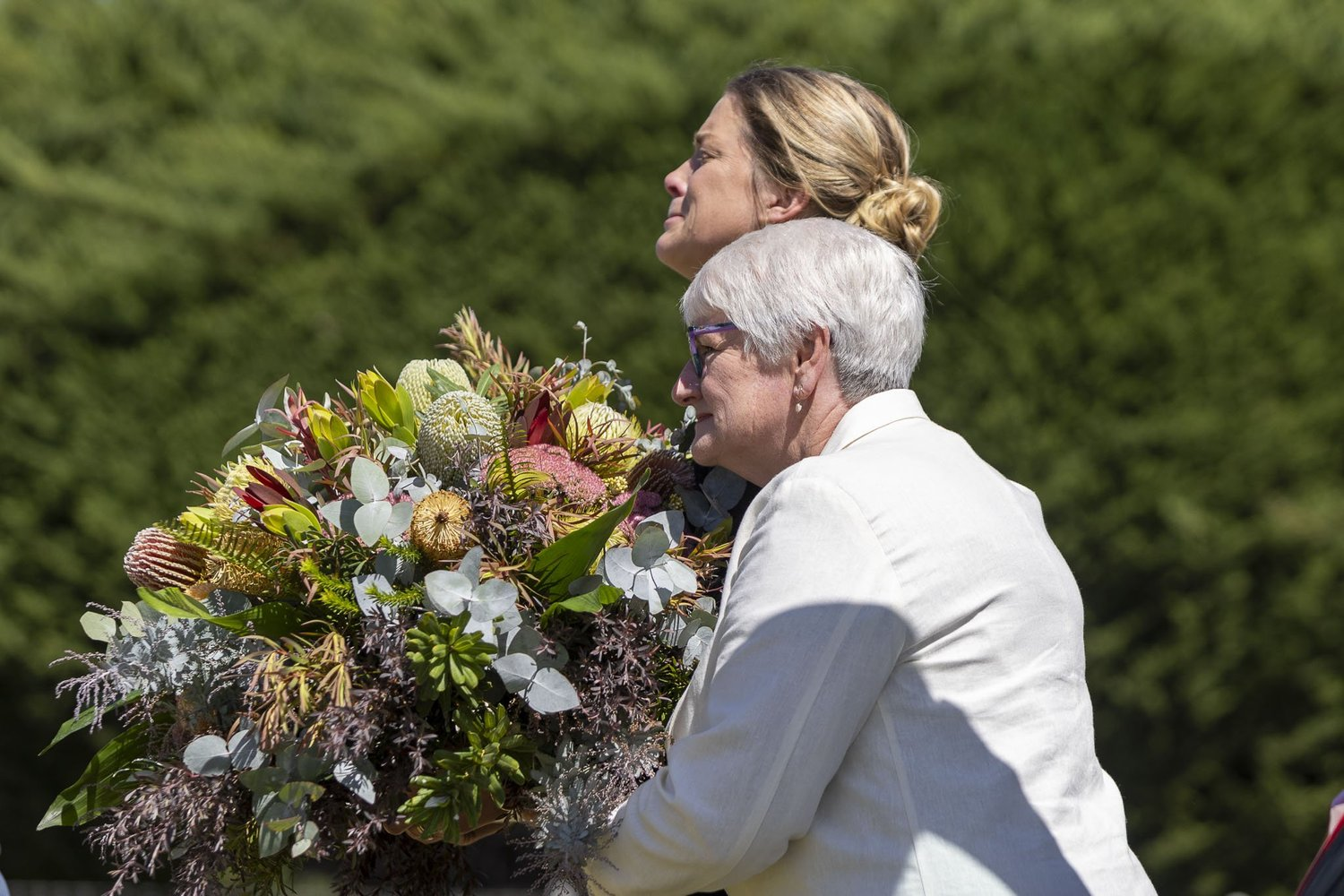

A funeral photographer should be present without taking attention away from the people and moments that matter. It’s understandable to wonder whether photography will feel appropriate or whether a camera might distract from the ceremony. A professional funeral photographer works with care and discretion, following the family’s wishes while documenting the day.
Choosing photography is a personal decision, and there’s no single right choice for every family. A respectful visual record can preserve tributes, the gathering and small details that may be difficult to take in at the time. After Life provides funeral photography throughout Australia, with a supportive team that works closely with families.
This article explains what the service can involve, how a photographer can capture a ceremony with sensitivity, and what families may receive afterwards. It covers on-site photography, image editing and delivery as high-quality prints or a digital gallery. The aim is to help you decide whether photography feels right for your family, without pressure.
What a professional funeral photographer does on the day
A professional funeral photographer preserves meaningful moments without directing the ceremony or shaping how people pay their respects. The role is one of quiet observation: working around the service, following the family’s wishes and capturing a visual record without becoming its focus. After Life’s team works closely with families so the photography reflects what feels appropriate to them.
For relatives and friends who couldn’t attend, photographs may offer a way to see something of the gathering and the tributes shared. They can also help the family revisit details that may have passed unnoticed on the day. A photographic record won’t suit every family, and choosing not to have photography is equally valid. The character of the service, cultural considerations and personal preferences all matter.
What moments might a funeral photographer document?
There isn’t a fixed shot list that suits every farewell. Depending on the family’s preferences, photographs may include the setting, elements of the ceremony and shared moments of remembrance. The emphasis is on genuine moments rather than staged scenes, with care taken to respect people’s space and the tone of the occasion.
Before the service, families can share what they would like remembered and what they would prefer to remain private. For example, you might identify a tribute or detail of the setting that matters to you, and note any moments or people you don’t want photographed. This guidance helps the photographer make considered choices without assuming that any particular person, ritual or moment should be included. The history of post-mortem photography offers context for how photography has long been connected with remembrance, while each family’s wishes remain central to a contemporary service.
How funeral photography differs from video or livestreaming
Photography creates individual still images, preserving selected moments rather than recording the ceremony continuously. A collection of photographs might show a tribute, the people gathered or a quiet detail of the setting, while leaving the events between those moments unseen.
Livestreaming serves a different purpose: it allows people who are elsewhere to watch the service remotely. Video records moving images and sound over time, while photographs create a still visual record to look back on. Neither approach is right for every family. Some may value photographs, some may prefer remote viewing, and others may choose neither. Consider what you want the record to do: preserve selected moments, or let people follow the service as it happens.
Can a professional funeral photographer work without intruding?
It’s understandable to feel unsure about having a camera present during a farewell. Discretion matters, but respectful photography doesn’t mean assuming every setting or moment will feel comfortable to everyone. It begins with listening, understanding the family’s priorities and approaching the day with care rather than treating every part of the service as something to photograph.
After Life works closely with families to understand what they hope to remember and where they would prefer the photographer’s attention to rest. This thoughtful approach reflects the care discussed in funeral photography as a profession, while recognising that each family’s views and needs are their own.
How family wishes shape respectful coverage
Before the service, families can share their priorities and any boundaries that would help them feel at ease. They might welcome photographs of the setting and tributes, for example, while preferring that certain parts of the ceremony or particular people aren’t photographed. These are options to discuss, not a standard list every family needs to follow.
A professional funeral photographer can use this guidance to make considered choices on the day. Some families may want a broad record of the gathering; others may prefer a quieter, more limited approach. Neither choice is more appropriate than the other. If you’re weighing up whether photography feels right, consider what you would value revisiting later and what you would prefer to keep private.
Considering privacy, culture and the setting
Family preferences may be shaped by cultural or faith-based practices, as well as individual wishes around privacy. Sharing relevant guidance helps the photographer approach the ceremony with sensitivity. The venue’s directions can also affect where photography may take place, so it’s useful to take those into account when discussing your preferences.
Discretion is a guiding intention, not a promise that every environment will allow photography without being noticed. A photographer may need to adapt to the layout, movement of people and venue guidance. Thinking about these practical factors beforehand can help set clear expectations and make it easier to agree on where the photographer should focus.
For families considering a quiet visual record, After Life’s funeral photography service is centred on working closely with families and honouring their wishes.
What the funeral photography service can include
Understanding what happens after a family chooses photography can make the service feel more familiar. After Life’s service includes on-site photography, image editing and delivery as high-quality prints or a digital gallery. The photographs are prepared as a respectful record of the service, with the person being remembered and the family’s preferences kept in view.
There isn’t a prescribed set of images that should represent every farewell. The final selection is best guided by what the family wishes to remember, whether that’s the atmosphere of the gathering, the tributes shared or details with personal meaning. A professional funeral photographer documents with care rather than making the occasion feel staged.
From on-site photography to edited images
On the day, the photographer documents the service in keeping with the family’s guidance and the character of the occasion. The focus is on creating genuine images while remaining attentive to the people and moments around them.
Image editing is part of preparing the photographs for delivery. It involves reviewing and refining images so they are ready to view or print. Thoughtful editing supports a considered, coherent record of the moments captured.
Digital galleries and printed photographs
A digital gallery offers a way to view the photographs on a screen and revisit them. High-quality prints provide a tangible alternative: photographs that can be kept, displayed or shared with family. Each format offers a different way to return to the memories, and the right choice depends on how your family would like to hold and revisit them.
There’s no single format that suits everyone. Some families may value viewing images digitally, while others may prefer printed photographs to hold and keep. After Life provides high-quality prints or a digital gallery, giving families a considered way to receive the images. When deciding which format feels right, think about how you’d like to look through the photographs and whether you want something tangible to keep.
Whether viewed on a screen or held in print, the photographs are intended to honour the person and reflect what matters to those closest to them. The choice of images and format remains personal, shaped by the family’s wishes rather than a standard template.
How to prepare for a funeral photographer
Preparing for photography doesn’t need to become another demanding part of arranging a farewell. A few simple preferences shared with the photographer can guide the coverage while leaving room for the service to unfold naturally. After Life works closely with families, so you can explain what matters in everyday language rather than preparing a formal shot list.
Share the moments and boundaries that matter
Consider what you’d most like to remember. This could be a tribute, the overall atmosphere or a meaningful detail of the gathering. It’s just as helpful to say what you’d prefer not to be photographed, including particular moments or people. You don’t need to explain every preference; even a brief note can guide the photographer’s choices.
There’s no right set of instructions for every family. Some may want a broad record of the occasion, while others prefer a more limited approach. A professional funeral photographer can use your guidance to understand where to focus and where to give people space. If you’re unsure whether photography feels appropriate, weigh the value of preserving selected moments against your family’s preference for privacy.
Understand the service and image delivery
It can also be useful to understand the main stages of the service: on-site photography, image editing and delivery. Knowing this gives you a general picture of how the photographs are prepared, without needing to plan the photographer’s movements or manage the process on the day.
Beforehand, consider how you’d like to revisit the images. A digital gallery offers a way to view them on a screen, while high-quality prints provide photographs to hold, keep or share. Think about how your family is likely to use and remember the photographs rather than assuming one format is best.
- Share the moments you hope to preserve.
- Note any people or parts of the service you’d prefer not photographed.
- Consider whether a digital gallery or printed photographs would feel more meaningful.
These small points can give the photographer a thoughtful starting place while keeping the focus on the farewell itself. To discuss funeral photography shaped around your family’s wishes, explore After Life’s funeral photography service.
When After Life’s professional funeral photography may feel right
Deciding whether to have photographs taken is a personal part of planning a farewell. A photographic record may feel meaningful if your family would value revisiting genuine moments from the day, or if you’d like loved ones who couldn’t attend to have a sense of the gathering. The images can preserve tributes and details that may be difficult to take in at the time.
There’s no expectation that every family should choose photography. You may feel that a private farewell is right for you, or that photographs don’t reflect how you wish to remember the person. That choice deserves the same care and respect as choosing to have a visual record. The best decision is the one that feels appropriate to your family and the character of the service.
Signs a photographic record may be meaningful
You might find photography worth considering if preserving the tributes, atmosphere or shared presence of family and friends would matter to you. It may also help distant relatives see something of the remembrance, even if they weren’t there in person. These are possibilities, not reasons to feel obliged. A photograph can hold a memory, but it can’t capture everything a farewell means to those who attend.
It may help to talk with those closest to you about what they would be comfortable having recorded. Families can have different wishes, and taking time to consider them can bring clarity without turning the decision into another responsibility.
How After Life supports families across Australia
After Life provides funeral photography throughout Australia, with on-site photography shaped around each family’s preferences. The team works closely with families to create respectful visual memories, then edits the images and provides them as high-quality prints or a digital gallery. These formats offer different ways to return to the photographs, whether your family prefers something tangible to keep or a gallery to view digitally.
The service is for families who feel a lasting photographic record would be valuable, not to suggest that it’s essential. If you’re considering a professional funeral photographer, your family’s wishes can guide both the decision and the approach to documenting the day.
For an overview of what the service involves, explore After Life’s funeral photography service and consider whether it feels right for your family.
Choose a remembrance that feels right for your family
A professional funeral photographer can create a respectful visual record without directing the ceremony, with coverage guided by the family’s wishes. The service may include on-site photography, image editing and delivery as a digital gallery or high-quality prints, giving families different ways to revisit the images. A photographic record can hold meaning for some, while others may prefer a farewell without photography. Both choices are valid.
After Life provides funeral photography across Australia, working with families to document memorial ceremonies with care. If you’re considering whether this kind of remembrance feels right, you can learn about the service and its approach at your own pace.
Explore After Life’s funeral photography service and take the time you need to choose what feels most meaningful for your family.
Frequently Asked Questions
Is it appropriate to hire a professional funeral photographer?
It can be appropriate if your family feels a photographic record would be meaningful. Some families value images that preserve genuine moments of remembrance, while others prefer a private farewell without photography. Neither choice is wrong. Consider the wishes of those closest to the person, the character of the service and any cultural or personal preferences. The decision should feel right for your family, not like an expectation.
What does a professional funeral photographer do?
A professional funeral photographer documents the service through still images, working with the family to understand what they wish to remember. The role is to observe and photograph with care, not to direct the ceremony. After Life’s service includes on-site photography, image editing and delivery as high-quality prints or a digital gallery. Families can share preferences about meaningful moments and anything they would rather not have photographed.
Can a funeral photographer take photos without disrupting the service?
A photographer can aim to work discreetly, following family preferences and adapting to the setting. Before the service, you can share boundaries, such as moments or people you don’t want photographed. Venue guidance may also shape where photography can take place. Discretion is an important intention, though each ceremony and space is different. Talking through your wishes beforehand helps the photographer approach the day with consideration.
What happens to the photographs after a funeral?
After the service, the photographs are edited and delivered as high-quality prints or a digital gallery. A gallery provides a way to view the images on a screen, while prints offer a tangible format to keep or share. Families can consider which format feels most meaningful to them. The photographs are intended to provide a respectful record of the day, guided by the family’s preferences.
Can a funeral photographer help relatives who could not attend?
Photographs may help relatives who couldn’t attend see something of the gathering and the tributes shared. They provide selected still images, rather than a live view or continuous recording of the service. A digital gallery or printed photographs can offer a way to revisit those moments with family. Whether this would be meaningful depends on the wishes of your family and the person being remembered.
How do I prepare for a professional funeral photographer?
Share a few simple preferences before the service. You might mention the moments you hope to preserve, any people or parts of the ceremony you’d prefer not photographed, and whether printed photographs or a digital gallery would suit your family. You don’t need to create a detailed shot list. These points help guide the coverage while allowing the ceremony to unfold naturally and keeping the focus on remembrance.